
Slickcase: Validating a Niche for the Unihertz Titan 2
Building Slickcase in public: Validating interest in a phone case, moving from idea to mockup to manufacturing to production. The journey of a full physical product lifecycle.

Building Slickcase in public: Validating interest in a phone case, moving from idea to mockup to manufacturing to production. The journey of a full physical product lifecycle.
Validating interest for a phone case niche
As a product designer with a passion for solving overlooked user needs, I’ve been exploring a side project that taps into a surprisingly underserved market — premium phone cases for the Unihertz Titan 2. This beefy, niche smartphone has a dedicated global fanbase, yet its accessory options are limited and often lack the quality and design polish users expect.
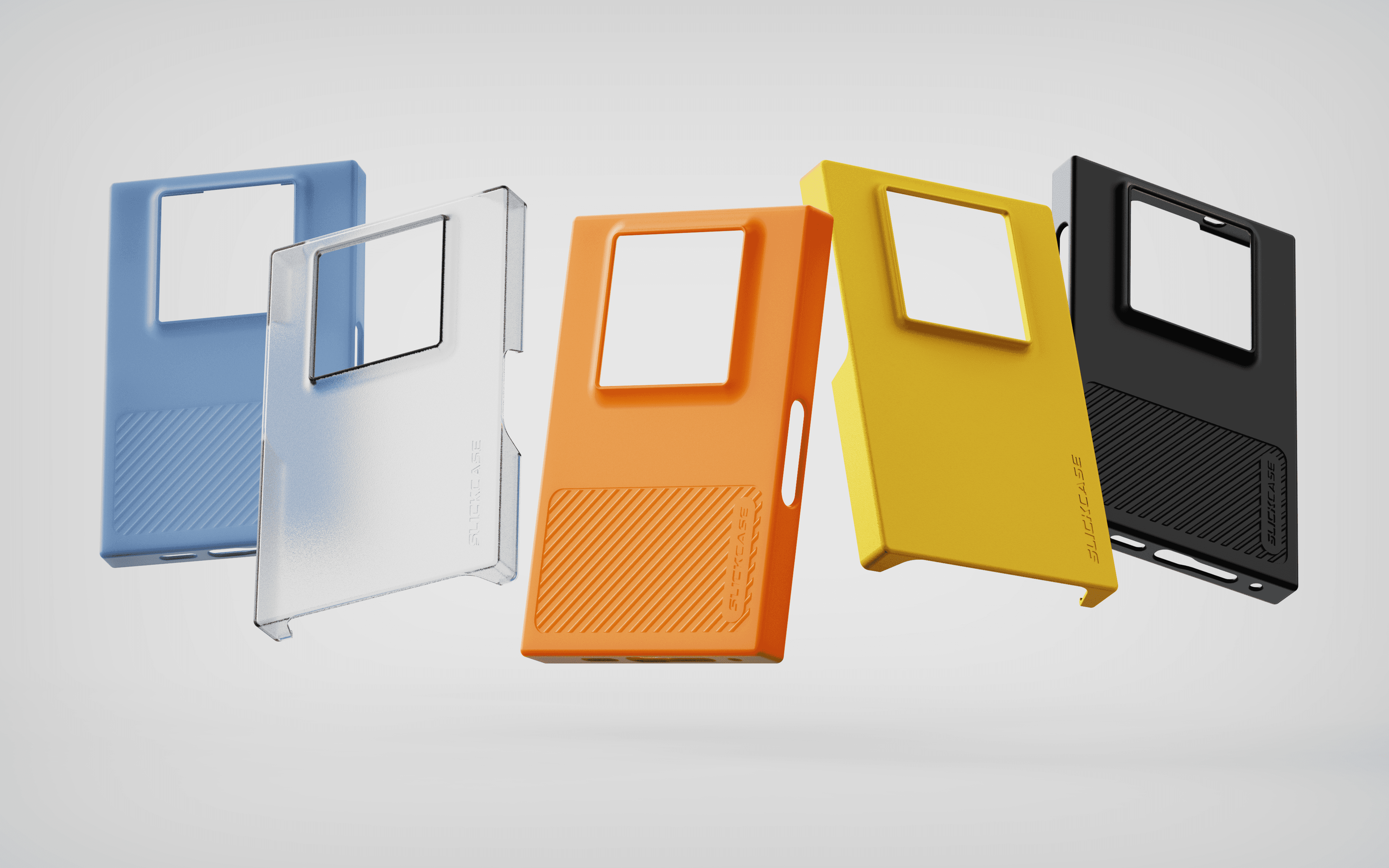
Validating Demand Before Building
Rather than jumping straight into production, I took a validation-first approach. I built a simple pledge system to gauge genuine buying interest, collect feedback on pricing, style, and colors, and identify the most promising product variants. The results were eye-opening:
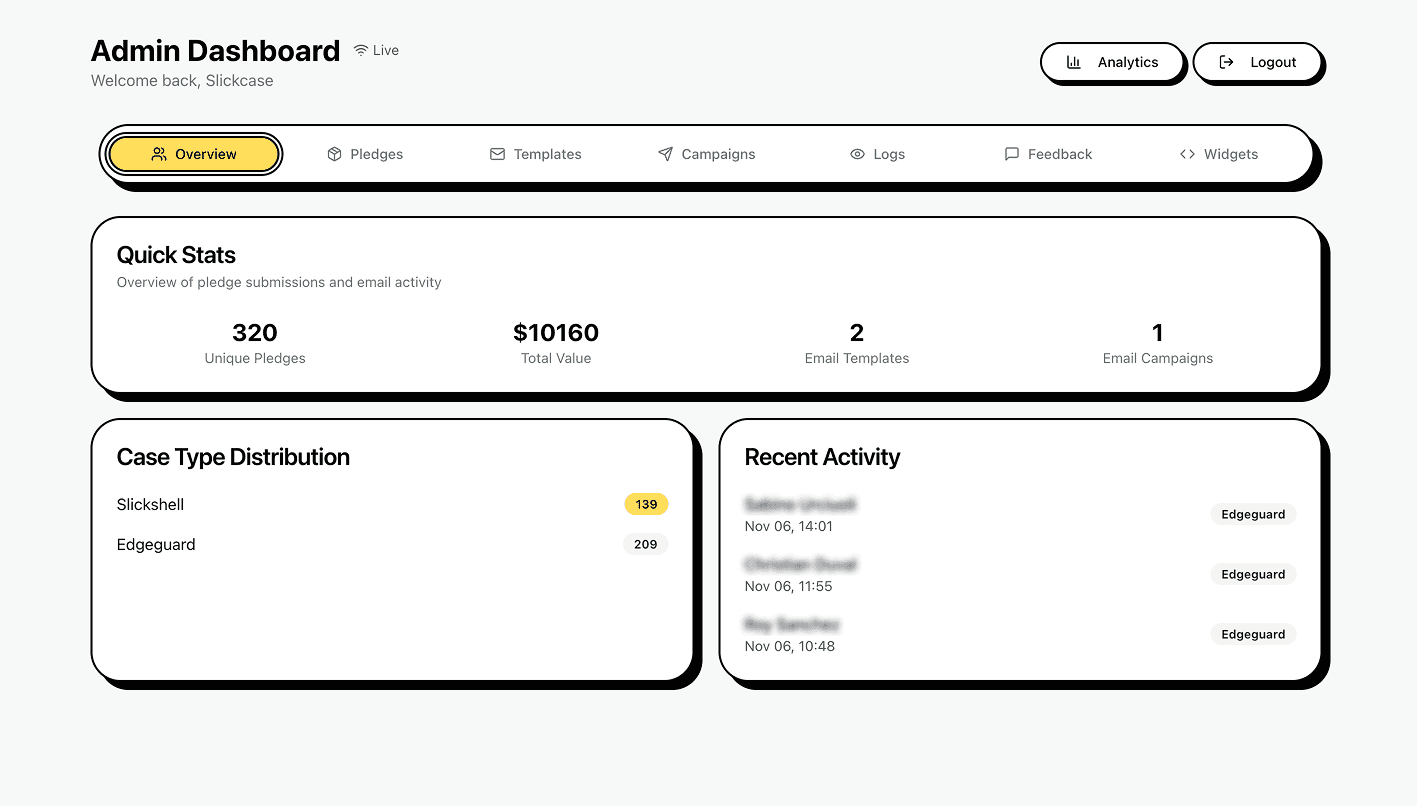
So far:
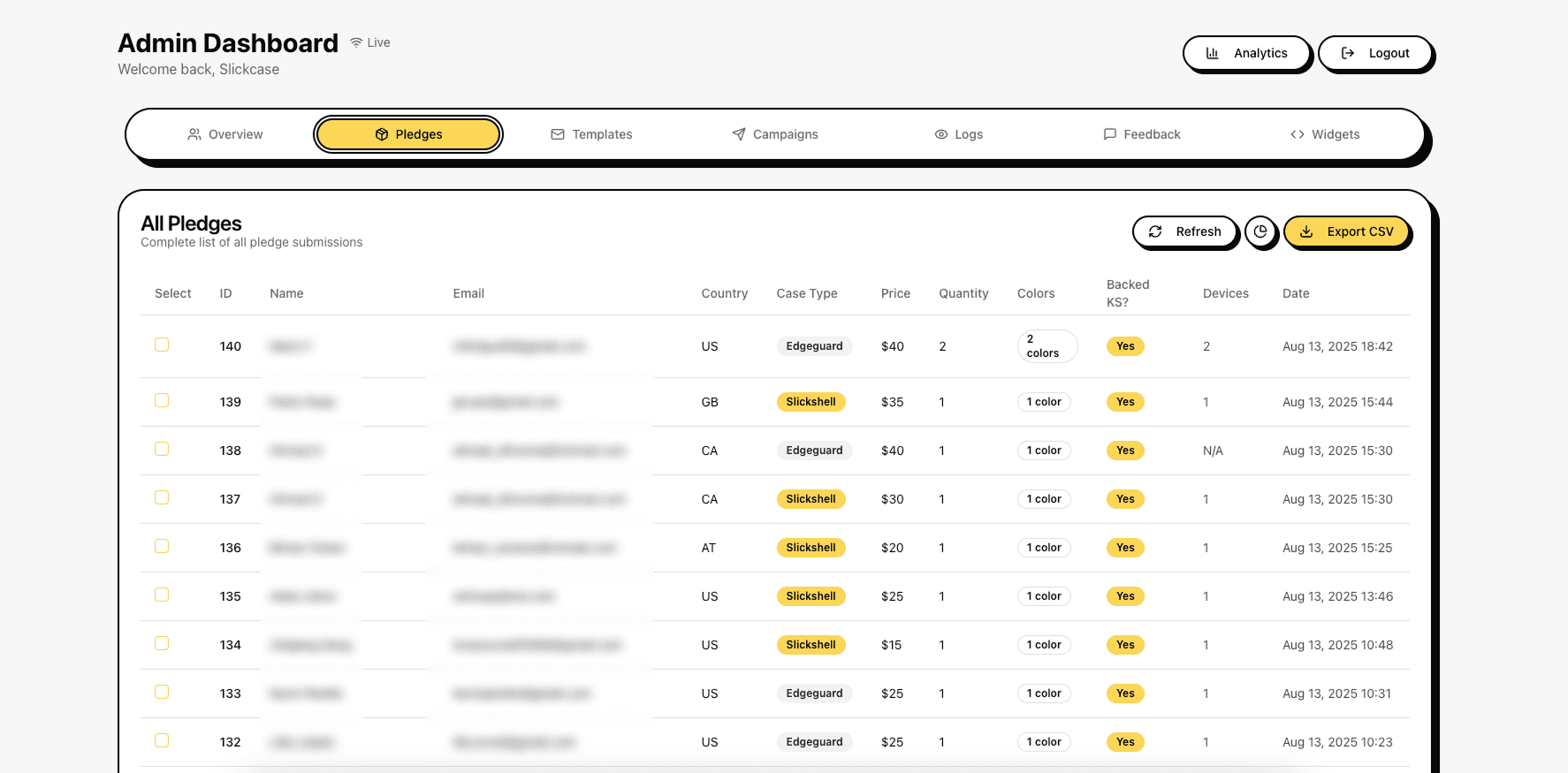
348 total pledges
$10,160 in potential revenue at an average price of $29
265 Kickstarter backers engaged, 76% of respondents have previously backed projects
Top market regions: US (50%), Canada (10%), UK (6%), Italy (5%), Australia (5%), with pledges coming from over 20 countries.

Design Insights from Early Supporters
The data gave me clarity on product direction:
Case type split: 60% prefer the rugged Edgeguard, while 40% opted for the slimmer Slickshell.
Color trends: Black dominates at 21%, followed by McLaren Orange and Slate Grey (both at 13%), with bold options like Blood Red and Military Green also ranking high.
Price sensitivity: Most pledges fall into the $0-25 range, validating the need for an affordable but premium-feel product.
Prototyping & Early Builds
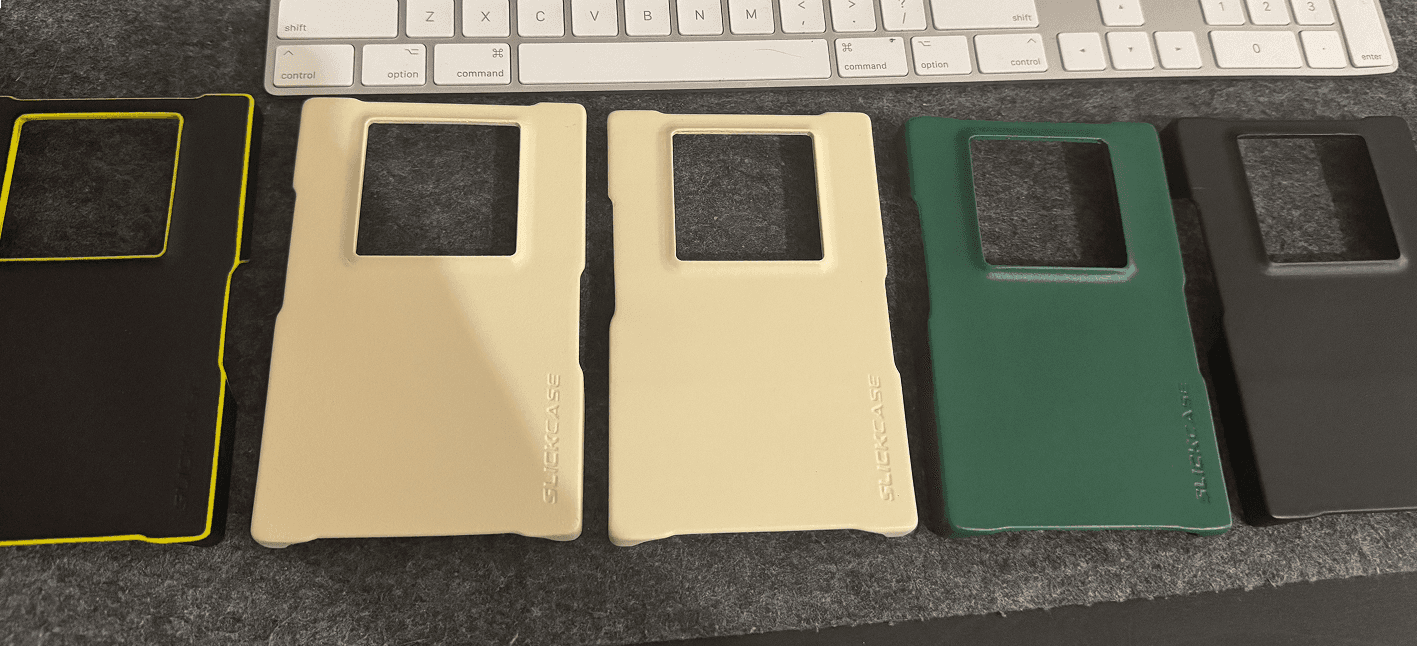
With user preferences in hand, I moved into hands-on exploration. I began 3D-printing the first Slickcase prototypes to test real-world fit, ergonomics, and surface finish. These early builds helped refine camera bump and button alignment, grip texture, and the overall aesthetic direction before moving to full-scale manufacturing.
(Below: several prototype units printed in different colors and finishes.)
Building a Community Around the Idea
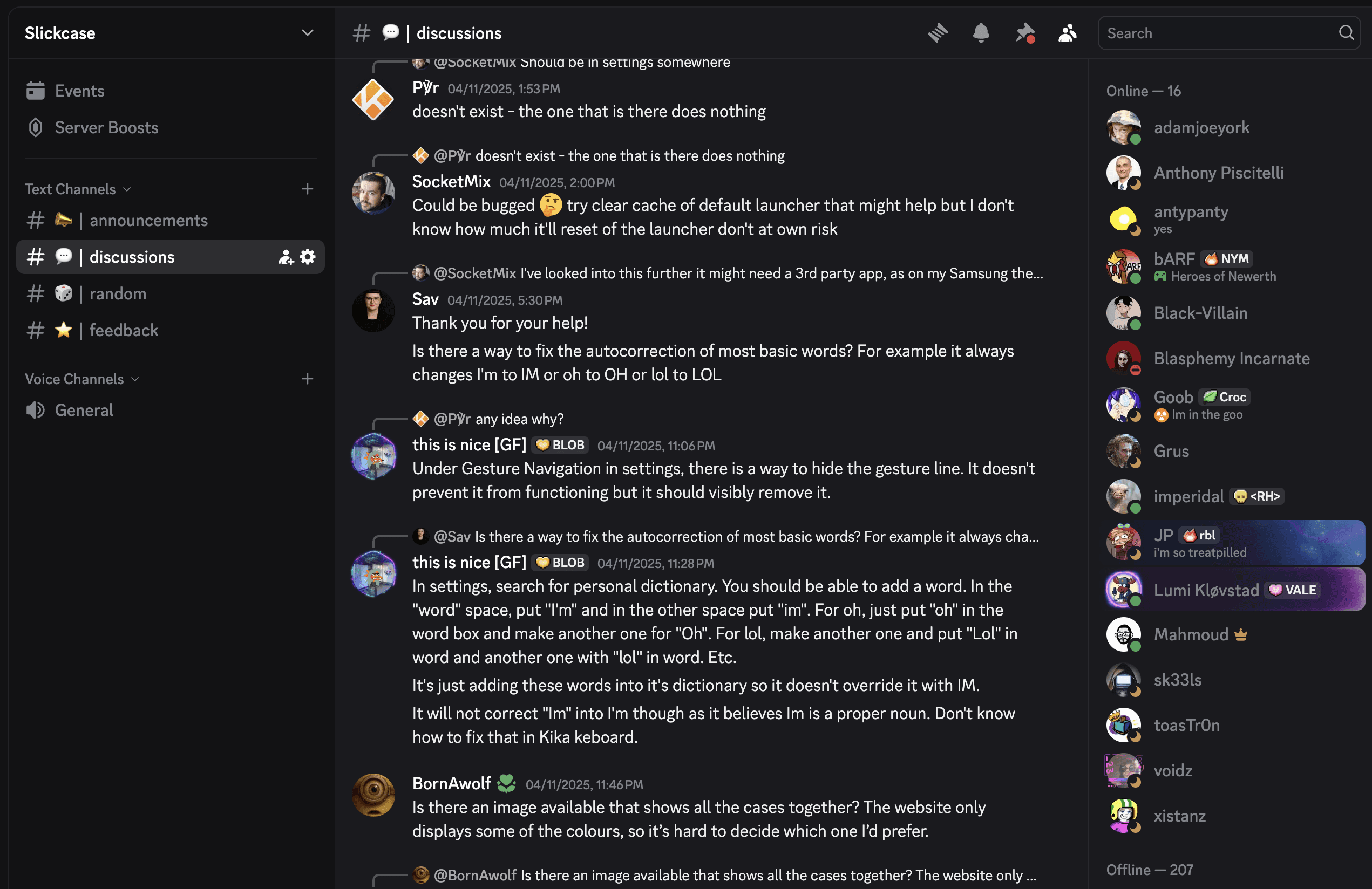
One of the most rewarding parts of this journey has been seeing how passionate Titan 2 users are. To create a space for real-time feedback and collaboration, I launched a Discord server dedicated to the project.
What started as a small group of early supporters quickly grew into a thriving community of 223 active members, Titan 2 owners sharing ideas, suggesting design tweaks, voting on colors, and even posting their own case mod concepts.
The discussions aren’t just about phone cases anymore, they’ve evolved into a collective hub for Titan 2 fans exchanging tips, accessories, and firmware mods. This community energy has been a huge source of inspiration and direction for Slickcase, shaping how the final product will look and feel.
Why This Matters
This isn’t just about selling cases, it’s about proving that even in niche markets, a thoughtful, design-led approach backed by real user data can uncover real opportunities. By listening to the Titan 2 community before committing to manufacturing, I’m ensuring Slickcase ships products that users actually want, in the colors, styles, and price points they’ll buy.
Slickcase is still in the early stages, but with strong interest already validated, the next step will be moving into small-batch production and delivering a product that fills a clear gap in the market.